

Whether it's because we have a limited budget or because the tablet isn't worth the extra cost for our intended use, we might find ourselves looking for a cheap tablet at any time . However small the investment, or perhaps precisely because of it, it's important to carefully consider our choice and ensure it meets certain requirements that guarantee a minimum level of quality.
The cheapest tablets of the moment: less than 100 euros
Let's start by reviewing the cheapest tablets currently available, focusing, as we mentioned at the beginning, on reliable devices that can guarantee a decent user experience. Since they are all 7 inches, they are a great option specifically for children.
Four 7

It's impossible to find a tablet for 70 euros with better technical specifications than the Fire 7 (1024 x 600 resolution, 1,3 GHz quad-core Mediatek processor, 1 GB of RAM, 8 GB of storage, 0,3 MP front camera and 2 MP rear camera), and if you're a premium customer, it's only 55 euros . It was recently updated, and its design is now much more streamlined, which is a plus. Fire OS, the version of Android it uses, is both its strength and weakness: the tablet is surprisingly fluid, but it does have some limitations.
Lenovo Tab3 Essential

Unless we're going to use the premium customer discount, the Lenovo Tab3 Essential will cost us practically the same as the Amazon tablet, and its basic technical specifications are identical (1024 x 600 resolution, 1,3 GHz quad-core Mediatek processor, 1 GB of RAM, 8 GB of storage, 0,3 MP front camera and 2 MP rear camera). It's the best alternative to the Fire 7 for those who aren't particularly fond of Amazon's software.
MediaPad T3 7

The MediaPad T3 7 will cost a bit more because it's brand new ( €100 ), but that has an advantage: its operating system comes with a more up-to-date version ( Android Marshmallow ). Another extra is its metal casing , which is part of Huawei 's signature style but a real rarity in tablets at this price point. Otherwise, nothing has changed compared to previous models (1024 x 600 resolution, 1,3 GHz quad-core Mediatek processor, 1 GB of RAM, 8 GB of storage), except that both cameras are 2 MP.
The best of the basic range: between 100 and 150 euros
If we can raise the limit a little and reach 150 euros, we can find 8-inch tablets with higher-level technical specifications , although it requires paying a little attention to promotions (the tablets we recommend here, in fact, have higher official prices).
Aquaris M8

The bq Aquaris M8 tablet , for example , costs more on the company's website, but it can be found at several retailers (MediaMarkt, El Corte Inglés) for just under €150 . It features an 8-inch screen with a 1280 x 800 resolution (which is now the HD standard), 2 GB of RAM (a welcome feature for multitasking), and 16 GB of storage. Another nice bonus is the inclusion of front-facing stereo speakers , which enhance the multimedia experience.
Galaxy Tab A 7.0

It's usually easy to find it for under €150 ; right now, you can buy it for as little as €120 (at El Corte Inglés), and it's a good option for anyone looking for a reliable brand. Keep in mind, however, that buying a Samsung tablet will mean sacrificing some technical specifications (the screen has a 1280 x 800 resolution but is 7 inches, not 8; the RAM is 1.5 GB, not 2 GB; and it has 8 GB of storage, not 16 GB).
Fire 8HD

While the 7-inch model can be found for as little as €55, the Fire 8 HD can be purchased for up to €90 . However, even at its €110 price point for non-premium customers, it still offers excellent value for money, with a 1280 x 800 resolution screen and 16 GB of storage. Aside from not running a standard version of Android, its only drawback compared to the bq tablet is its RAM (1.5 GB).
Quality 10-inch tablets for less than 200 euros
The cheapest tablets you'll find are usually compact, but if you prefer a slightly larger screen, there are several options for under €200 to get a quality 10-inch tablet . It's a bit more of an investment, but it might be worth it.
Galaxy Tab A 10.1

We don't know how much longer the Galaxy Tab A 10.1 will remain available for €200 or even less, but while it's still at that price, it's probably the best 10-inch tablet in terms of value for money. It boasts Full HD resolution (1920 x 1200), an Exynos processor , 2GB of RAM, 16GB of storage, 8MP and 2MP cameras, and is currently being updated to Android Nougat. The design might seem unusual, but it's perfect for using in landscape mode to watch movies or TV shows.
Lenovo Tab 4 10

It's difficult to choose between recommending the Tab 4 10 or the MediaPad T3 10, given how similar their technical specifications are (1280 x 800 resolution, Snapdragon processor, 2 GB of RAM, 16 GB of storage, 5 and 2 MP cameras, and Android Nougat), but we finally opted for the Lenovo because it has a slightly larger screen, is somewhat cheaper ( 180 euros right now on the company's own website), and has an official keyboard available for purchase if we want to work with it.
Aquaris M10

Our final recommendation is the 10-inch bq tablet with an HD screen (1280 x 800), which can be found at many retailers for around €180 . In addition to the technical specifications one would expect from a good entry-level tablet (2 GB of RAM, 16 GB of storage, and 5 MP and 2 MP cameras), it also features front-facing stereo speakers . However, it does come with a Mediatek processor and Android Marshmallow.
Low-cost tablets (Chinese and Spanish)
Of course, if we're looking for cheap tablets, a reference to the low-cost sector is essential, which is no longer limited to Chinese tablets, but also includes several Spanish brands worth considering, going even beyond bq.

Specifically, there are three 10-inch tablets that we have had the opportunity to test ourselves and which we can attest to offer an interesting quality/price ratio within their logical limitations, such as the SPC Heaven 10.1 , the Wolder MiTab New York and the Energy Tablet Pro 3.

As for Chinese tablets, we have countless options, but for those looking for a cheap tablet with good features, our recommendation remains the Mi Pad 2 , which already has a successor but is available at a better price and still has many virtues and, as we saw in our analysis, very few flaws.
General recommendations to keep in mind
If you're interested in other models not on our list, if you want to know what to look for when choosing between one or another, or if you'd simply like to know what's most important when choosing a tablet, especially considering the price /quality ratio , we've put together a few guidelines to help you.
What matters and what does not about design
It is impossible to see the Galaxy Tab S3 or the iPad Pro 10.5 and not fall for its elegance, so many manufacturers try to recreate the lines of the best tablets in their cheapest models. We can certainly be tempted to get carried away by the power of a successful aesthetic, but the reality is that there are other, more important things to consider.

For example, one problem we sometimes encounter with cheaper tablets is precisely that they lack the sleek lines typical of high-end or even mid-range models, and the bezels are often thicker. While this does make them harder to hold with one hand, it's worth considering that a tablet, more so than a mobile phone, benefits from a better grip , especially with larger screens.
They are also usually thicker, but this is not really important either. It is often the other way around, in fact it can be better, because among the cheapest tablets the most normal thing is that the less thickness has not been achieved with a better optimization of space, but simply with a smaller battery, and enjoy a device a couple of millimeters thinner is not going to compensate us for losing autonomy.

Conversely, it's common for inexpensive tablets to have a worse weight-to-size ratio, and this is an important issue because we can spend hours holding them. For a 7-inch screen, it's best if they don't exceed 300 grams (there are plenty of options), and for a 10-inch screen, they usually weigh around 500 grams.
Finally, the most normal thing is that we do not have much to choose from when it comes to materials, but we do have to look at the finishes and the solidity of the device if we can see it in the first person, or take a look at independent analyzes in case contrary. And, in any case, if it is going to be in the hands of a child, a cover is always recommended.

However, although plastic is the predominant material, there are a few inexpensive tablets with metal casings , and it's worth remembering that this isn't just an aesthetic advantage, but also a practical one: they are not only more durable but also dissipate heat better and help keep the internal components in good condition.
Considerations when choosing operating system
Previously there were some options for getting cheap Windows tablets , but right now if we want a tablet with Microsoft's operating system, practically our only option is to turn to the Chinese low-cost tablet market (which, in fact, are often dual-boot, with Android as well).

In any case, it's important to be aware that cheap Windows tablets aren't going to be capable work devices (no more so than an Android tablet), because to unlock their full potential, a certain level of hardware is needed. That said, they can be interesting for occasional users who are more familiar with Windows because they use their PCs more often.
As you can probably imagine, it won't be possible to get an iPad at these prices (except for what we might find second-hand of older devices), so, in general, we'll most likely end up choosing between Android devices . This doesn't mean they're all the same, not at all.
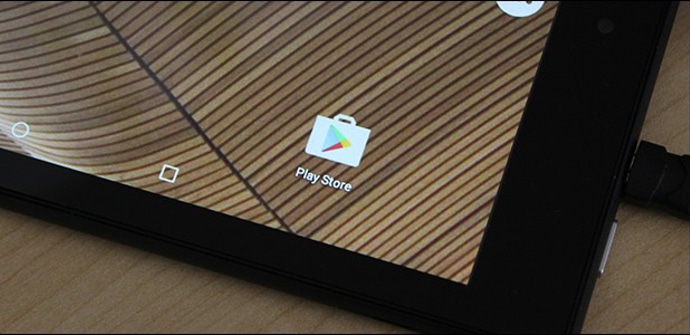
To begin, we must consider that some tablets come with very heavy Android customizations , barely recognizable at first glance, as is the case with Fire OS, which we've already discussed. Furthermore (and this is another issue with Amazon's software), we may find that they don't come with Google Play pre-installed . While there are ways to install it on Fire tablets (and they also have a huge content store), this may not be the case on others, and it's worth taking this into account.
Since tablets are updated very infrequently, and basic models practically never are, it's also worth checking which version of Android they come with, because many are running quite old versions, and that deprives us of many of the latest features that Google has added or important optimizations in security, fluidity and battery life.
The minimum requirements in technical specifications
Just as one might sometimes doubt whether there comes a point where it no longer makes sense to improve technical specifications (as can happen with certain RAM figures or resolution levels), there are minimum requirements below which, no matter how much we save, it doesn't make sense to buy a tablet because the user experience will not be acceptable.
What are the minimum requirements for any tablet we're going to buy? To begin with, don't accept any resolution below 1024 x 600 , and whenever possible, try to get one that reaches the HD standard of 1280 x 800. It's also important to pay attention to the aspect ratio, although this applies when choosing any tablet: 4:3 (like the iPad's) is better for reading; 16:10 (more elongated) makes better use of the screen when watching videos.
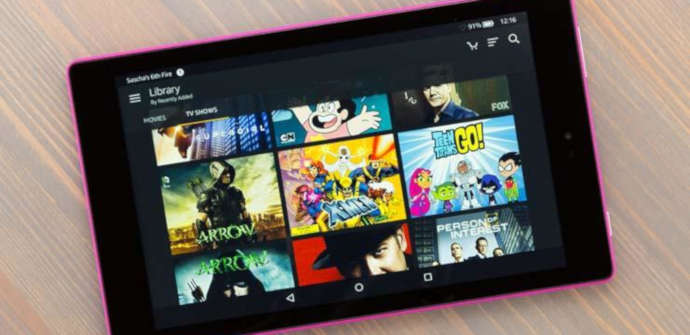
But above all, however tempting it may be to see a tablet advertised with a Retina or Quad HD display, we must be aware that a high pixel density is useless if the contrast is poor, the brightness is low, and the viewing angles are bad: these are much more important issues, and if you can't assess them in person, try to find independent reviews. And if they use an LCD panel instead of a TFT (a detail that is usually mentioned), all the better.
As for the processor, above all look for reliable manufacturers (models with Snapdragon or Exynos are usually more expensive, but Mediatek processors are working very well) and if the tablet you have in mind uses another type, the minimum frequency should be at least 1,2 GHz (they rarely go above 1,5 GHz, on the other hand).

The number of cores isn't that important (two is the minimum), but almost all processors now have four cores. Eight-core processors are usually preferable, but remember that it's not a question of power, but of energy consumption. RAM, however, is another factor to consider for performance, especially for being able to have several apps open without significant lag, and you should have at least 1 GB .
Other details to consider are storage capacity and battery: regarding the former, they rarely go below 8 GB and as long as we have a micro-SD card slot , we can manage, although we will always appreciate having at least 16 GB; the latter is a more complicated issue, because autonomy also depends on consumption, but for a 7-inch tablet it is a bad sign if it has a capacity of less than 3000 mAh.

A detail that, on the contrary, we should never take too much into account are the cameras, unless we are very clear that we are going to use them frequently (which is not usual). There was a time when many cheap tablets, in fact, only included a front for video calls to save costs and we are almost sorry that this practice has been left behind.
The best places to buy cheap tablets
We end with a mention of the best options we have when looking for where to buy cheap tablets, because it may seem a bit obvious, and maybe it is, but it is worth making some notes just in case.
Let's start with a recommendation of what not to do: don't blindly buy tablets advertised with discounts through coupons, vouchers , and similar offers . Keep in mind that the final price includes everything you've spent on newspapers or subscription fees (which often ends up being much higher than it initially seems), and many times the tablets have quite poor specifications. We usually review whether the most popular promotions are worthwhile, and it's always a good idea to take a look at these kinds of analyses.

It's also worth being aware that some of the large stores that have become more popular for buying these types of tablets, such as Carrefour, Media Markt and others like them, often offer low-cost devices that can be an interesting option, but you have to look at each model individually (we have already mentioned that we have reviews of a few that may be worthwhile) and there are other options with a good quality/price ratio.
And this is where we recommend you keep an eye on online retailers , even beyond Amazon, because from time to time you can find very interesting deals (exclusive to the online channel, even for retailers with physical stores). It's not uncommon for the prices of tablets we initially thought were out of the question to drop significantly after a few months on the market. We usually keep an eye out for these kinds of discounts and let you know.

A special case of online distributors is that of importers , whom we usually have to resort to in order to get Chinese tablets and the recommendation we have to make here is common sense but it is important to insist: the price variation between them is enormous, but it is advisable not to immediately go for the cheapest option, but you also have to take into account the shipping conditions and guarantees.
And finally, let's not forget that we can always turn to the second-hand market , because tablets aren't like smartphones; they have a longer lifespan, and relatively older models can be a great option if they come with a discount and the first owner has taken good care of them. While there are many options, the site with the most users and best conditions right now is probably Wallapop. And whenever possible, it's best to pay via PayPal.
Table of Contents